
Why Buddhism Asks You to Stop
Buddhism proposes stopping the movement. The obvious objection — why not simply aim it at better things instead? — turns out to be the movement talking.

Essays on happiness, meaning, spirituality and the ordinary difficulties of being a person — approached through a Buddhist lens but without requiring one.
Buddhism proposes stopping the movement. The obvious objection — why not simply aim it at better things instead? — turns out to be the movement talking.
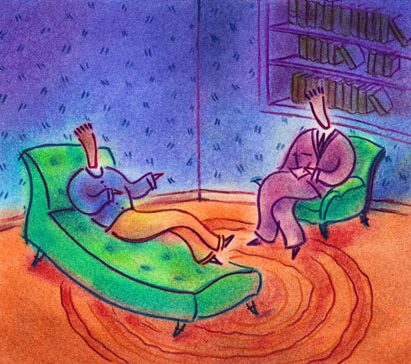
You cannot change society, your past, or most of your present situation. What you can change is how you meet them — and that turns out to be where most of the suffering was being manufactured anyway.

Set aside the gods, the fear of death, and everything you inherited. What is left standing that could still be called spiritual — and why the honest answer points inward rather than up.

What you already spent is gone whatever you decide next — and yet it is the thing we weigh most heavily. How the sunk cost fallacy keeps people in failing projects and finished relationships.
We measure success by what other people can see, which is the one part of it nobody can actually assess. A shorter definition: reaching the ceiling of your own capacities, and then sharing what is useful.